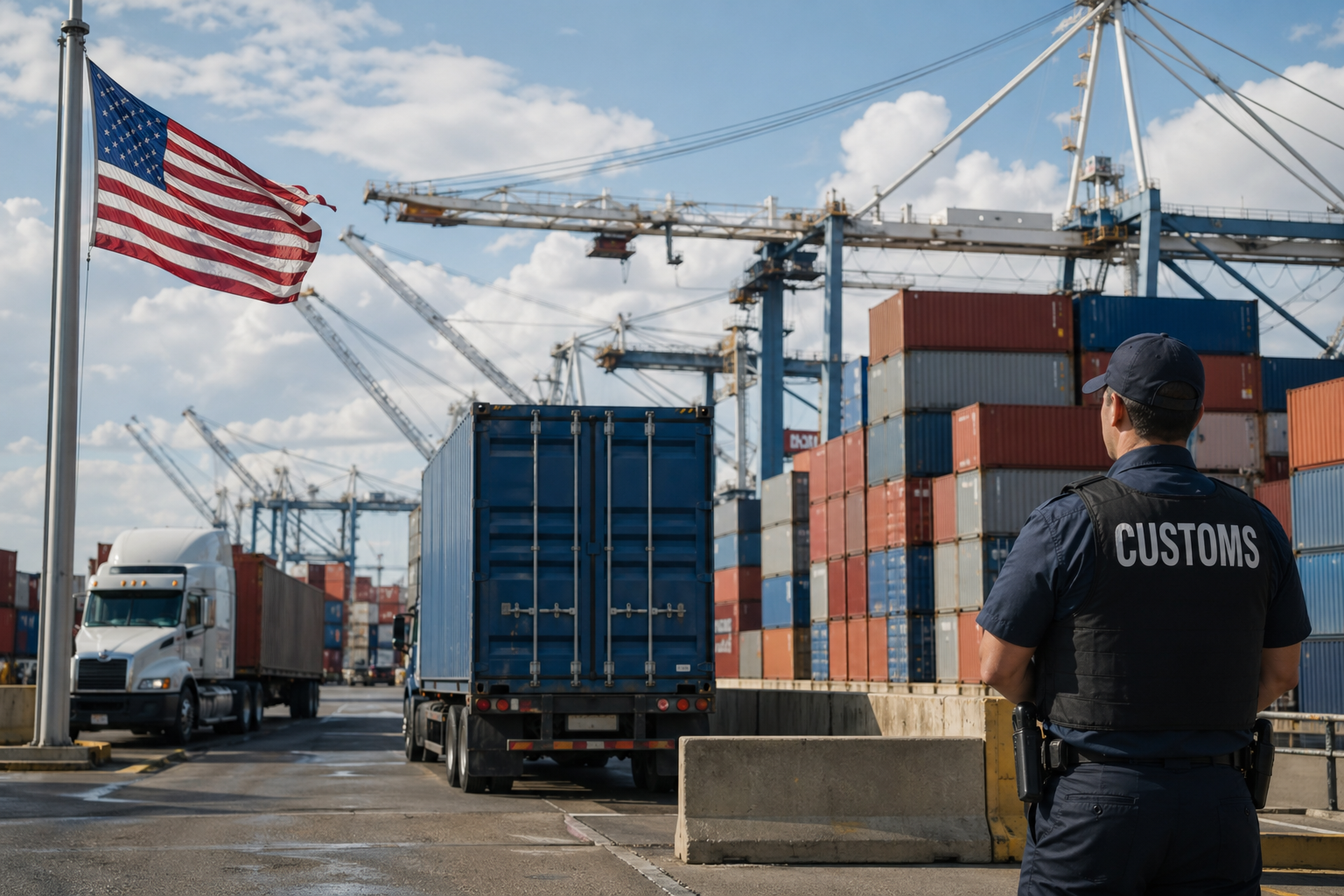

A new round of U.S. tariff action is back in the spotlight on April 28, 2026, and this time the story is not just about trade policy. It is about household budgets, retail prices, supply chains, and how quickly Washington can reshape the cost of everyday goods.
The Trump administration is now trying to build a more durable replacement for tariffs that were struck down by the Supreme Court earlier this year. Public hearings tied to that effort begin today, putting trade back at the center of the economic conversation.
For readers, the real question is simple: Will this affect what things cost?
The short answer is that it could, especially if new tariffs move forward quickly and businesses pass those costs along.
What The Administration Is Trying To Do
The current push is aimed at creating a stronger legal path for fresh import taxes.
Instead of relying on the same approach that was struck down, the administration is now leaning on Section 301 investigations, a trade tool that has been used before to respond to foreign practices seen as unfair or harmful to U.S. commerce.
In plain English, the administration’s argument is that certain foreign governments are distorting competition, either through manufacturing overcapacity or by failing to effectively block goods tied to forced labor. If the administration decides those practices unfairly burden U.S. industry, tariffs could follow.
Supporters say this is part of a broader effort to protect domestic manufacturing, encourage reshoring, and put pressure on trading partners. Critics argue it is still likely to raise costs for American importers first, with consumers eventually feeling at least some of the squeeze.
Will Prices Go Up For Consumers?

A shopper compares prices as tariff policy raises new questions about what consumers may pay next.
That is the part most readers care about, and it is why this topic is likely to keep attracting attention.
Tariffs are paid by importers, not foreign exporters directly. In practice, companies then decide how much of that extra cost to absorb and how much to pass on. That can show up in several ways:
- Higher shelf prices
- Smaller promotions or discounts
- Lower margins for retailers and manufacturers
- Changes in sourcing as companies try to avoid the affected goods
Not every product rises in price immediately, and not every tariff lands the same way. Some companies may have inventory already in place. Others may switch suppliers or delay price increases. But when tariffs hit broad categories of imported goods, cost pressure tends to spread through the system.
That matters even more now because many consumers are already sensitive to the price of essentials, home goods, electronics, and other frequently purchased items.
Why Businesses Are Watching So Closely
For businesses, uncertainty can be almost as disruptive as the tariffs themselves.
Importers need to know what categories may be affected, how high the duties could go, and when new rules might take effect. Retailers have to decide whether to raise prices, reduce orders, or look for alternative suppliers. Manufacturers that rely on imported parts may also face new pressure.
This is one reason tariff stories often become bigger than trade stories. They spill into planning, hiring, purchasing, and consumer behavior.
A company that expects costs to rise may order early, change contracts, or tighten pricing. A shopper who hears tariffs are coming may buy sooner than planned. Those reactions can ripple through the economy before the full policy even arrives.
The Bigger Economic Backdrop
This tariff push is unfolding at a fragile moment for the global economy.
The IMF’s April 2026 World Economic Outlook says global growth is projected at 3.1% in 2026 under its baseline assumptions and warns that renewed trade tensions are among the risks that could weaken growth further. That does not mean tariffs alone will define the economy, but it does mean they are landing in an environment where resilience is already being tested.
In other words, this is not a story happening in isolation. Trade policy is colliding with inflation concerns, geopolitical uncertainty, and a public that is still highly focused on cost of living.
What Happens Next
The next phase will depend on how quickly the administration moves from hearings to action.
Readers should watch for three things:
- Whether the hearings lead to formal tariff recommendations.
- Which countries, sectors, or product categories are targeted first.
- Whether businesses begin warning publicly about price increases or supply disruptions.
Those signals will determine whether this remains a policy debate or turns into a kitchen-table issue for millions of households.
Bottom Line
Today’s tariff story is resonating because it connects Washington decision-making to everyday spending. The legal fight may sound technical, but the consequences are easy to understand: if new import taxes stick, some goods may become more expensive, and businesses will have to adapt quickly.
That is why this topic stands out on April 28, 2026. It is timely, highly searchable, and immediately relevant to readers who want to know not just what the administration is doing, but what it could mean for their money.