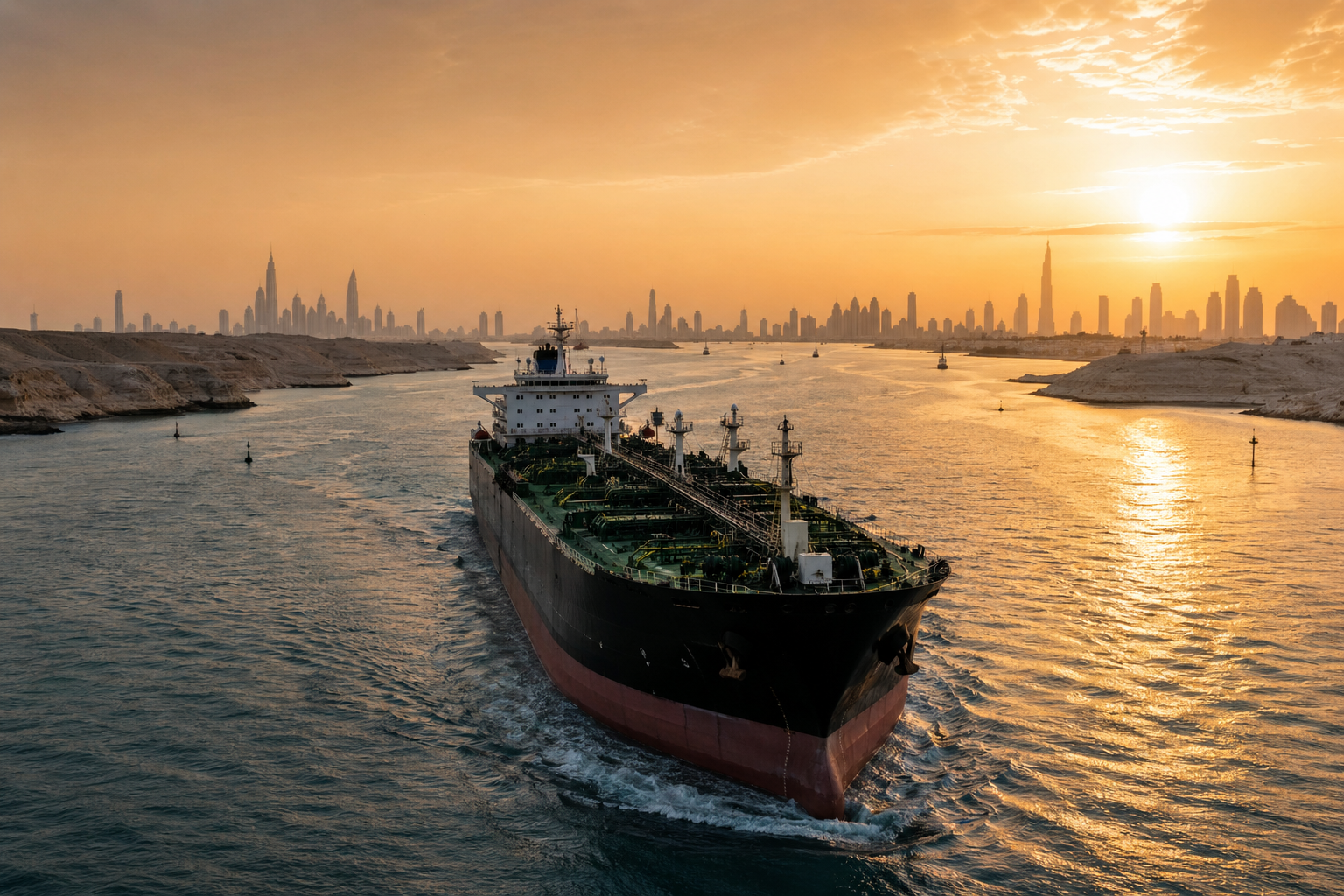

The United Arab Emirates’ decision to leave OPEC is one of the biggest energy stories of April 28, 2026, and not only because it caught markets off guard. It matters because OPEC has spent decades shaping the oil market by coordinating how much crude its members produce. When a major producer decides to walk away, the natural question is simple: what changes now?
For readers, the answer is twofold. In the short term, oil prices are still being driven by disruptions around the Strait of Hormuz. In the longer term, the UAE’s exit could weaken OPEC’s ability to manage supply and steady prices, opening the door to a more fragmented and volatile market.
Why the UAE’s OPEC Exit Matters
OPEC was built around a straightforward idea: when major producers move together, they can influence oil prices more effectively than they can alone. For member countries, that coordination can support revenues and create leverage in a market that is otherwise shaped by geopolitics, shipping routes, and demand shocks.
The UAE’s move matters because it is not a marginal player. It is one of the producers with the capacity and ambition to raise output when conditions allow. That makes its departure more significant than a symbolic disagreement. It removes part of the spare production strength that gives OPEC influence in the first place.
In practical terms, the UAE appears to be choosing flexibility over discipline. If a country believes future oil demand could peak in the years ahead, there is a strong incentive to monetize reserves sooner rather than later. Producing more while demand is still solid can look more attractive than keeping barrels in the ground for a tighter, coordinated future.
Why Oil Prices May Not React the Way People Expect Immediately

Storage tanks, shipping routes, and trading screens reflect the bigger story: this is not just about one country, but about how global energy markets absorb shocks
A headline this large might sound like an instant trigger for lower oil prices. But the market is more complicated than that.
Right now, the immediate pressure on crude prices is tied to the Strait of Hormuz, one of the world’s most important energy chokepoints. If oil cannot move smoothly through that corridor, supply tightens regardless of what any producer wants to pump. That is why the UAE’s exit is more important as a medium-term structural shift than as a same-hour pricing event.
So if readers are wondering whether this means cheaper gasoline tomorrow, the honest answer is: probably not on its own. Retail fuel prices are influenced by crude, refining capacity, regional supply chains, taxes, and timing. A major political move can reshape expectations quickly, but the consumer effect usually arrives more slowly and unevenly.
What This Means for OPEC’s Power
The deeper issue is what the move says about OPEC itself.
Cartels work best when members share the same incentives and are willing to sacrifice a little short-term volume for longer-term pricing power. That becomes harder when national interests start pulling apart. The UAE has long been seen as a country that wants room to expand production. If it now acts more independently, OPEC has one less powerful tool inside the tent.
That does not mean OPEC suddenly becomes irrelevant. Saudi Arabia remains the central force inside the group, and the wider OPEC+ framework still matters. But the market may begin to treat future OPEC decisions with more skepticism if internal cohesion looks weaker than before.
That shift in perception can matter almost as much as actual barrels. Oil markets do not only price current supply. They also price confidence, discipline, and the likelihood that producers can still act in concert when the next disruption arrives.
Could This Lead to More Volatile Energy Markets?
Yes, and that may be the most important long-term takeaway.
A weaker OPEC does not automatically mean permanently lower oil prices. It can also mean less predictability. If the group has less spare capacity under coordinated control, it may find it harder to calm the market during shortages or cool prices during supply surges. That can produce wider swings rather than a simple one-direction move.
For businesses, airlines, shipping firms, manufacturers, and consumers, volatility is often harder to manage than a high but stable price. Companies can plan around expensive energy more easily than they can plan around wild price moves driven by political fractures and shipping risks.
What Readers Should Watch Next
There are three things worth tracking over the coming days and weeks.
First, watch whether the Strait of Hormuz situation eases or worsens. That is still the biggest near-term force on prices.
Second, pay attention to whether the UAE signals a faster production strategy once it is fully outside OPEC. A more aggressive output path would reinforce the idea that this is a genuine strategic break, not a symbolic protest.
Third, watch the reaction from other producers. If this exit exposes deeper disagreement inside the producer alliance, markets may begin to reassess how much control OPEC really retains over the years ahead.
The Bottom Line
The UAE’s exit from OPEC is more than a dramatic headline. It is a sign that the balance inside the global oil system may be shifting.
In the near term, traders are still focused on disrupted supply routes and geopolitical risk. But beyond that, this decision raises a bigger question: if one of OPEC’s most capable producers wants more independence, can the group still shape the market with the same authority it once had?
That is why this story is resonating so strongly today. It is not only about oil. It is about power, timing, and whether the institutions that once steadied the energy market are entering a more uncertain era.