
Quick Summary
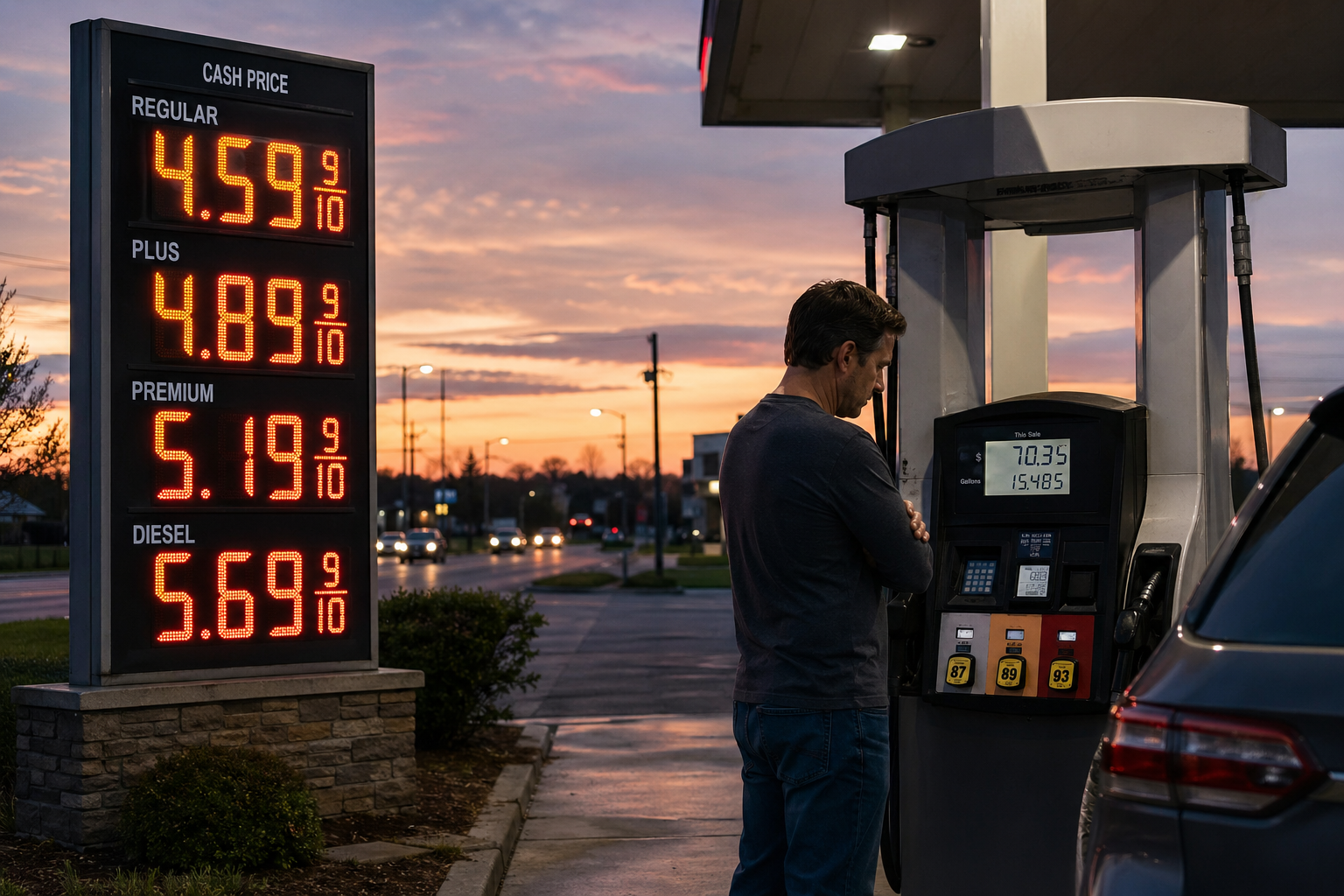
Gas prices are back in the spotlight because the national average reached $4.18 per gallon on April 28, 2026, according to reporting that cited AAA data. That is a meaningful jump for households already watching food, rent, and travel costs. The bigger story is not just the number on the pump. It is what that number says about oil markets, consumer budgets, and the possibility of more price pressure ahead.
What Changed This Week?
For many drivers, the headline is simple: filling up costs more again.
The latest move reflects a broader energy shock that has been building through March and April. Oil prices have stayed elevated, and every sustained jump in crude tends to flow downstream into gasoline. That process is not instant, but once refiners and retailers start paying more for supply, drivers usually feel it within days or weeks.
This is why gas prices have become such a strong search topic today. People are not just curious about markets. They want to know whether this is a brief spike or the start of another expensive stretch at the pump.
Why Prices Are Climbing
Several forces are working together.
1. Higher crude oil prices
Gasoline starts with crude oil, so oil remains the biggest driver of pump prices. When global supply feels uncertain, crude prices usually rise first and gasoline follows. That has been the central pressure point this month.
2. Ongoing geopolitical tension
Energy markets react fast when conflict threatens supply routes or production. Even before actual shortages appear, traders often price in the risk of disruption. That adds a premium to oil, and motorists end up paying part of that premium later.
3. Household demand does not disappear overnight
Even when prices rise, people still need to commute, work, shop, and travel. Gasoline demand may soften a little, but it rarely drops enough to offset a major oil shock quickly. That is why consumers can feel squeezed even without a full-blown shortage.
Why This Matters Beyond the Gas Station
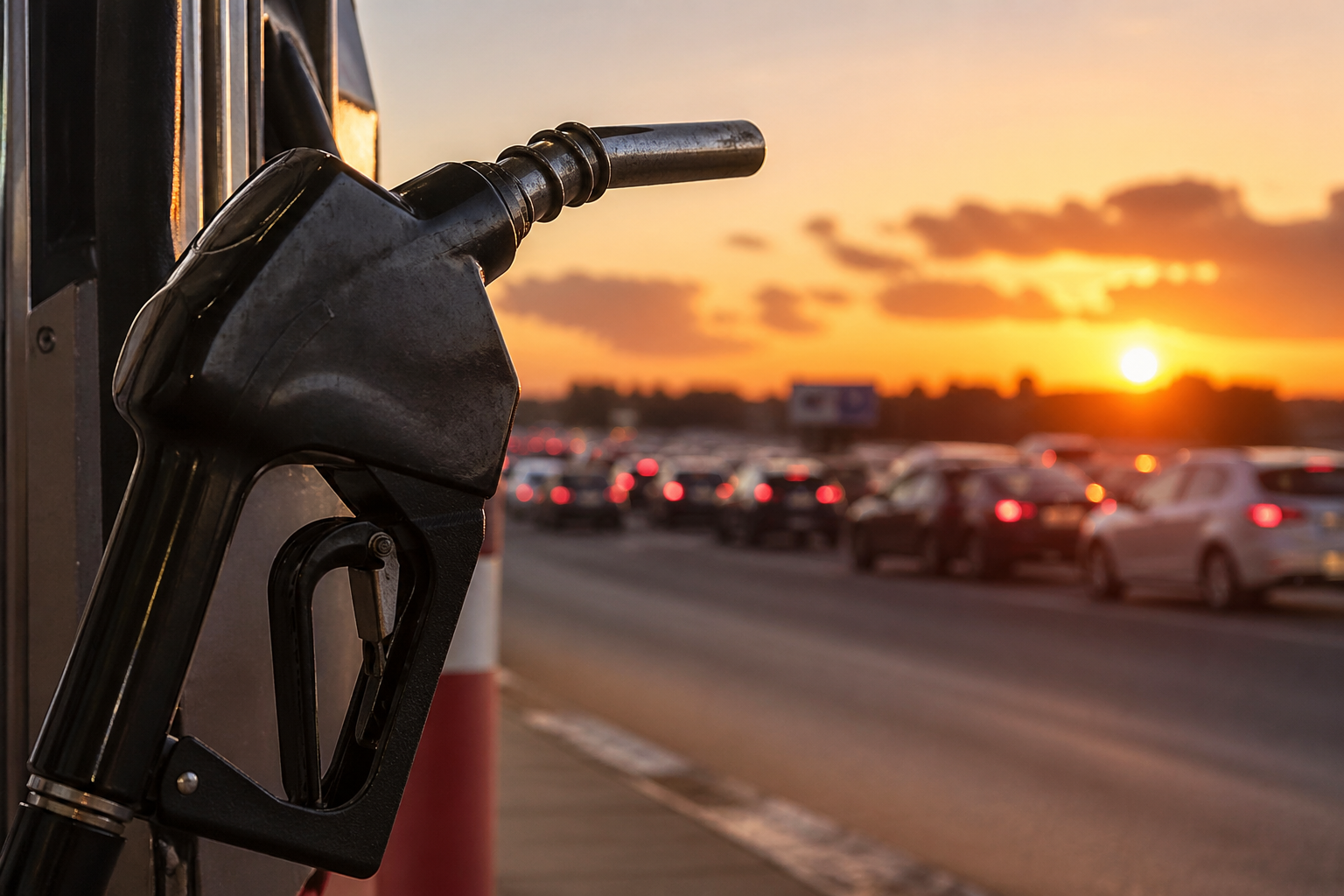
Rising oil costs are showing up at the pump, turning everyday commutes into a bigger household expense.
A jump in gasoline prices is not only a transportation story. It often becomes an inflation story.
When fuel costs rise, delivery costs rise too. Businesses that move goods by truck, plane, or ship start paying more. Some absorb the increase, but many pass at least part of it on to customers. Over time, that can affect groceries, services, and travel.
It also changes consumer behavior. Families may delay trips, cut discretionary spending, or rethink weekly driving habits. Even a moderate increase can reshape household budgets surprisingly fast.
Could Prices Keep Rising?
That depends on what happens in energy markets over the next several weeks.
If crude oil stays elevated, gasoline is unlikely to fall much in the near term. If supply fears intensify, prices could remain stubbornly high or move higher still. On the other hand, if markets get a clearer sense that supply will stabilize, some of the pressure could ease.
The most realistic short-term takeaway is this: drivers should expect volatility, not a smooth return to cheaper fuel.
What Drivers Can Do Right Now
Higher prices are frustrating, but there are a few practical ways to soften the hit.
- Compare stations before filling up, because local spreads can widen quickly during volatile weeks.
- Avoid topping off on impulse and combine errands into fewer trips.
- Keep tires properly inflated and avoid aggressive acceleration, which can quietly waste fuel.
- Use grocery or warehouse fuel rewards if they are already part of your routine.
- Watch state and metro averages, not just the national headline, because local conditions can differ sharply.
The Bottom Line
Gas prices are trending today because they connect a global market story to an everyday household expense. On April 28, 2026, the national average moved back into territory that immediately gets drivers’ attention, and the reasons behind it suggest this is more than a one-day talking point.
For readers, the key question is not whether fuel is suddenly expensive. It is whether this higher-cost period becomes the new normal for early summer. Right now, that risk looks real enough to watch closely.
Current sources used to choose and ground this angle: AAA fuel price coverage, AP on the $4.18 national average, AP on consumer concern around gas prices, and the World Bank’s April 28, 2026 commodity outlook.